Solid Waste Transfer Station Expansion
Project Phase
Project Summary
The Solid Waste Transfer Station is the heart of Scottsdale's refuse and recycling operations. By acting as a central hub, the facility allows collection vehicles to offload materials locally rather than driving to distant landfills.
Project Information
Budget: $26,200,000
Sponsoring Division: Solid Waste
Funding Source: Residential Solid Waste Rates
Project Location: 8417 E. Union Hills Drive
Built in 1996, the station was designed with future growth in mind. Since then, Scottsdale has added 30,000 residential homes. The facility has exceeded its operational capacity weekly for the last eight years.
This expansion will:
- Modernized Infrastructure: Replacing 1990s-era systems with updated equipment and technology.
- Expanded Capacity: Increasing the facility's ability to process Scottsdale's entire waste stream.
- Improved Diversion: Creating dedicated space to separate green waste from bulk trash and increasing diversion by expanding marketable beneficial reuse materials for landscaping, agriculture, parks, erosion control, and soil amendment applications.
- Long-Term Sustainability: Reduces the volume of recoverable materials requiring disposal, conserving valuable landfill airspace and supporting the long-term sustainability of regional solid waste infrastructure
The expanded transfer station will have the capacity to handle 100 percent of Scottsdale’s waste stream which will allow the city to choose where it takes its waste, providing more flexibility and potential cost savings. The transfer station currently only has the capacity to handle about 70 percent.
A key component of the project includes dedicated green waste diversion infrastructure, supported by a competitive procurement process to establish partnerships with qualified firms experienced in the beneficial reuse of organic materials within established regional markets.
This will create new opportunities for licensed private haulers and commercial landscapers operating in Scottsdale to deliver clean green waste to the facility. While the transfer station will remain closed to the public, these commercial users will generate revenue that helps offset operating costs.
Efficiency by the Numbers:
- 150,000 vehicle miles saved annually.
- 60,000 gallons of fuel saved annually.
- 425 tons of material processed daily on average.
Project Details
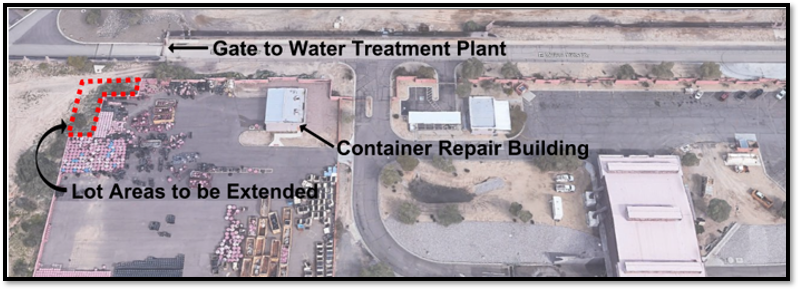
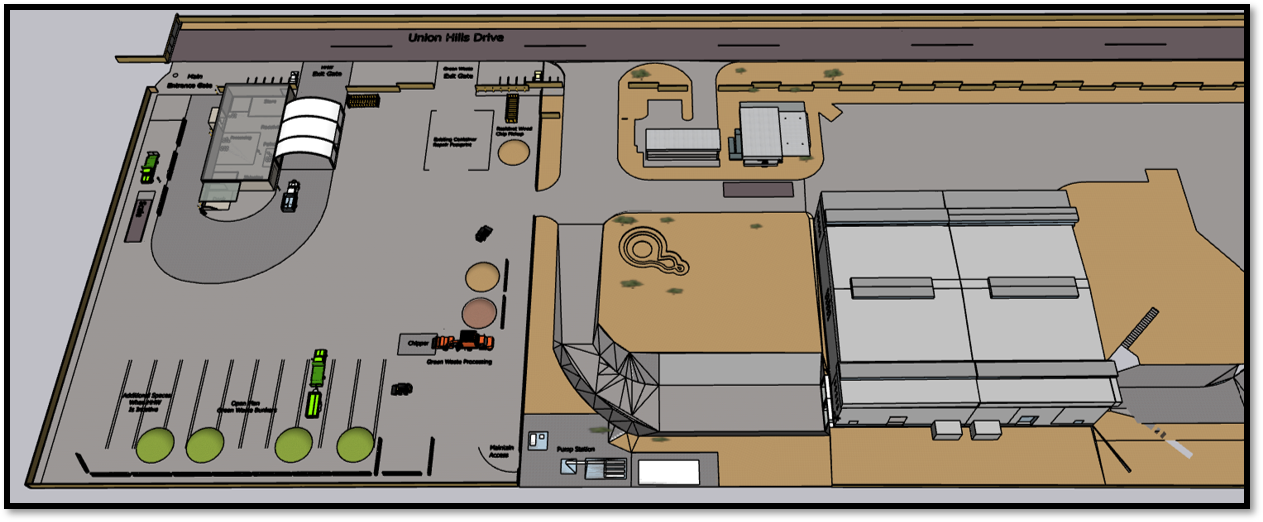
The transfer station was built so that it could be expanded to the west to accommodate anticipated future waste generation growth within the city. The expansion will provide additional floor space, allowing for the separation of green waste from brush and bulk materials. This separation will improve diversion efforts by reducing the amount of material sent to the landfill and supporting long-term sustainability.
The expansion includes:
Bays: Increasing from three (3) to six (6) bays.
Green Waste: Establishing a dedicated handling area.
Infrastructure: Offices to coordinate operations and provide public education.
Roadwork: Resurfacing Union Hills Drive from 88th St. to the Water Campus entrance.
Construction began in April of 2026 and will take approximately 18 months. The city will implement temporary traffic adjustments for long-haul vehicles to ensure daily operations continue without interruption.
The $26.2 million budget is funded through residential solid waste rates. The project is expected to create two new revenue streams and contribute to long-term rate stabilization for residents.
Last Updated: Sep 11, 2026