Environmental Initiatives
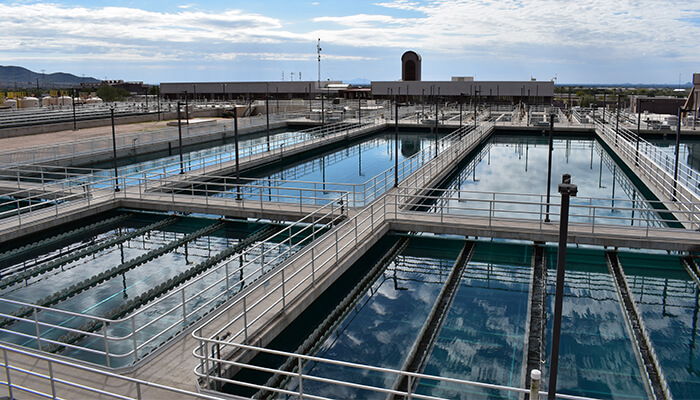
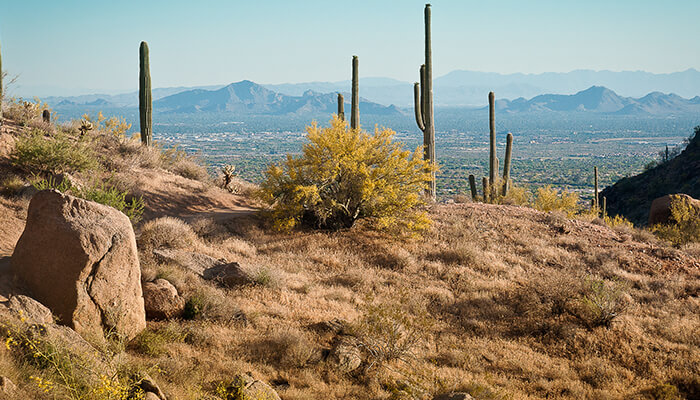
Scottsdale has long been recognized as an environmental leader and continually seeks ways to be more environmentally conscious. From protecting over 30,500 acres of desert to operating one of the world's most sophisticated water recycling facilities, along with adopting and enforcing numerous green policies citywide - Scottsdale prides itself on integrating bold innovative eco-friendly concepts.
The City of Scottsdale is committed to enhancing the lives of its residents and effectively managing model conservation efforts to protect valuable resources for future generations. Read more about ongoing Sustainable Scottsdale initiatives and how you can be part of the solution.
Current Projects:
Fire Station Food Waste Diversion Project
The City of Scottsdale Fire Department and Solid Waste Services are partnering on a one-year food waste diversion project funded by a $25,000 Arizona Department of Environmental Quality (ADEQ) Recycling Grant.
The project uses Mill food recycling units in fire station kitchens to reduce food waste sent to the landfill and evaluate the environmental, operational and financial impacts of food waste diversion in a 24-hour workplace.
Scottsdale is the first city in Arizona and second in the nation to implement this type of food waste diversion project within a fire department.
How the Project Works
Mill units have been installed at 17 fire station locations, with additional units placed at Station 602, Station 612 and the Training Facility to accommodate higher food waste volumes.
Fire personnel place food scraps in the units throughout the day. The Mills process the material overnight, reducing its volume before it is transferred to designated collection containers. A contracted service collects the processed material monthly for beneficial reuse rather than landfill disposal.
The process was designed to fit into existing fire station routines while requiring minimal additional work from Fire personnel.
What We Are Learning
Before implementation, Solid Waste Services conducted waste audits at selected fire stations to establish baseline conditions. Food waste represented a significant portion of the material found in station trash:
- Station 602: 40%
- Station 603: 48%
- Station 613: 44%
Follow-up audits show that most stations are using the program as intended, while also helping the city identify opportunities to improve equipment capacity, staff education and day-to-day procedures.
For example, higher-volume locations may require additional capacity, and large refrigerator clean-outs before shift changes can generate substantially more food waste than typical daily operations. These findings are helping Scottsdale better understand both the equipment needs and workplace practices that influence successful food waste diversion.
How the Project Is Being Measured
Solid Waste Services continues to evaluate:
- Pounds of food waste diverted from the landfill
- Equipment performance, capacity and reliability
- Staff participation and proper use
- Trash service audits and changes in disposal volume
- Contractor, maintenance and replacement costs
- Opportunities for collection and disposal cost offsets
- Overall cost of the program
- Potential contribution to Scottsdale’s broader waste diversion goals
The goal is to determine whether this approach provides a practical and financially responsible long-term option for city operations.
What’s Next?
The city is using data from the Mills, waste audits and staff feedback to make adjustments throughout the pilot.
Next steps include targeted training with Fire Captains and crews across shifts, monthly feedback on diversion results, random compliance checks and continued evaluation of equipment capacity and operational needs.
At the conclusion of the project, Scottsdale will evaluate the results to determine whether food waste diversion using this model is a practical long-term fit for Fire Department operations and whether lessons from the pilot could inform future city diversion efforts.
What This Means for Residents
This project does not change residential or commercial trash service, and there are no rate changes associated with the pilot.
Instead, the project allows Scottsdale to test an innovative waste reduction strategy within its own operations before considering broader applications. The goal is simple: reduce material going to the landfill, use data to determine what works and make responsible decisions about future waste diversion efforts.
Heat Mitigation Plan
Heat remains one of our region’s top sustainability challenges, with far-reaching impacts on our community's health, infrastructure, environment and economic well-being. In 2020, Scottsdale partnered with Arizona State University to assess patterns of urban heat in the city Scottsdale and identify promising cool strategies. Learn more about the Cooler Scottsdale Study and the progress on Scottsdale's first Heat Mitigation Plan.
Shade and Tree Plan
The Scottsdale Shade & Tree Plan endeavors to cultivate a cooler, more vibrant cityscape, enriching the lives of residents and visitors alike through a strategic focus on urban structured shade and urban forestry. Inspired by a collective vision shared by the City Council and Scottsdale's diverse community, this initiative aims to enhance the urban canopy, promote environmental resilience, and mitigate the urban heat island effect, fostering a healthier, more livable city for generations to come.
What We Do

Resources
Last Updated: Sep 24, 2026