Colorado River Update
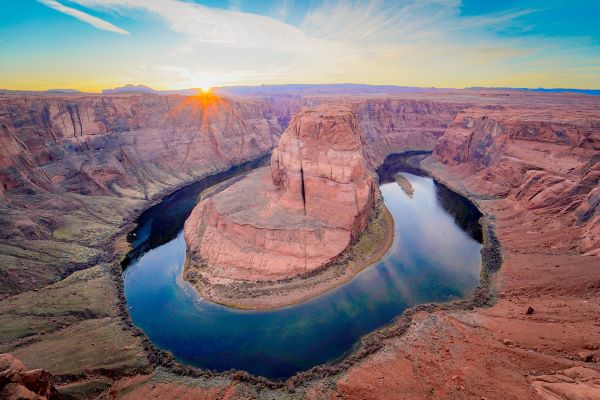
Colorado River Conditions: Current Status and What It Means for Scottsdale
Current Status: Colorado River Conditions Remain Serious
The Colorado River remains under significant stress after more than two decades of drought, declining runoff and a hotter, drier climate.
For 2026, the Colorado River is operating under a Tier 1 Shortage under the current operating guidelines. While Arizona is experiencing a reduction in its Colorado River allocation, Scottsdale's municipal water supply is not reduced as a result of the current Tier 1 Shortage.
However, the Colorado River's challenges extend well beyond the current shortage declaration. Lake Mead remains at historically low levels, and the operating guidelines that have governed the river since 2007 expire at the end of 2026.
The Bureau of Reclamation released its Final Environmental Impact Statement for post-2026 Colorado River operations in July 2026. The new guidelines will establish how Lake Powell and Lake Mead are managed beginning in 2027.
A shortage on the Colorado River does not mean a shortage at your tap.
Scottsdale has planned for changing Colorado River conditions for decades. The City's diversified water portfolio includes Colorado River water delivered through the Central Arizona Project, Salt and Verde River water, reclaimed water and groundwater. Scottsdale also has invested significantly in conservation, aquifer storage, infrastructure and long-term water supplies.
While Scottsdale is well positioned today, the City is preparing for a future in which Colorado River supplies may be less predictable and potentially less abundant.
FAQ
- What does the current Colorado River shortage mean for Scottsdale?
Under the current Colorado River operating rules, a Tier 1 Shortage does not reduce Scottsdale's municipal Colorado River water supply.
Scottsdale will continue to provide reliable water service to its customers.
However, the Colorado River system is facing a long-term imbalance between available water supplies and demand. The rules governing the river will change beginning in 2027, and future reductions could affect Colorado River water supplies available to Arizona.
Scottsdale Water is actively monitoring the post-2026 process and preparing for a range of potential future conditions.
- Will my water service be affected?
There are no immediate changes to Scottsdale residential or business water service as a result of the current Tier 1 Shortage.
A Colorado River shortage does not automatically mean a shortage at the tap.
Scottsdale's water supply is diversified, and the City has invested for decades in infrastructure, water storage, conservation and alternative water supplies to reduce its reliance on any single source.
Scottsdale will continue to monitor Colorado River conditions and evaluate what future changes could mean for the community.
- Will I have to cut back on my water use?
There are currently no mandatory water-use restrictions on Scottsdale residents or businesses as a result of the Tier 1 Colorado River Shortage.
Conservation, however, remains an important part of Scottsdale's long-term water strategy.
Using water efficiently today helps protect supplies for the future and reduces the amount of water Scottsdale needs to obtain from all its sources.
Residents and businesses are encouraged to use water wisely, particularly outdoors, where a significant portion of Scottsdale's water use occurs.
- Why is the Colorado River in trouble?
The Colorado River system is experiencing the combined effects of more than two decades of drought, hotter temperatures, declining runoff and a long-term imbalance between the amount of water available and the amount being used.
Snowpack in the Rocky Mountains is an important source of water for the Colorado River. Warmer temperatures can cause more precipitation to fall as rain rather than snow and can reduce the amount of runoff that ultimately reaches reservoirs.
The result is a river system that produces less water than it historically has.
The Bureau of Reclamation's post-2026 analysis recognizes that future Colorado River hydrology is highly uncertain and that robust and flexible management strategies will be necessary to respond to changing conditions.
- What is happening with Lake Mead?
Lake Mead, the largest reservoir in the Lower Colorado River Basin, remains at historically low levels.
Lake Mead's elevation has declined significantly during 2026. The reservoir was approximately 1,039 feet in August 2026, a level that illustrates the continuing stress on the Colorado River system.
Lake Mead's elevation is important because it is one of the primary indicators used to determine shortage conditions and Colorado River water deliveries under the current operating rules.
The low elevation of Lake Mead reinforces why the Colorado River Basin is working to develop new rules for managing the river after 2026.
- What happens after 2026?
This is one of the most important questions facing the Colorado River Basin.
The operating guidelines established in 2007 are scheduled to expire at the end of 2026. Federal officials have been working through a formal environmental review process to establish new operating guidelines beginning in 2027.
The Bureau of Reclamation released the Final Environmental Impact Statement for post-2026 operations in July 2026. The document evaluates a range of potential approaches for managing Lake Powell and Lake Mead under future conditions.
The new rules will determine how shortages and reservoir operations are managed in the years ahead.
The exact impact of the post-2026 rules on Scottsdale is not yet known.
Scottsdale Water is actively monitoring the process and participating in regional discussions to understand potential impacts and prepare for a range of future scenarios.
- Does Scottsdale get most of its water from the Colorado River?
Colorado River water delivered through the Central Arizona Project is an important part of Scottsdale's water portfolio, but it is not Scottsdale's only source of water.
Scottsdale has intentionally diversified its water supplies over many decades.
The City's portfolio includes:
- Colorado River water delivered through the Central Arizona Project
- Salt and Verde River water
- Reclaimed water
- Groundwater
Scottsdale also stores water underground for future use. These investments provide the City with additional flexibility and help reduce the risk associated with relying on any single water source.
- How is Scottsdale preparing for a future with less Colorado River water?
Scottsdale has been preparing for water-supply challenges for decades.
The City's approach includes:
- Maintaining a diversified water supply portfolio
- Storing water underground in the aquifer for future use
- Expanding the use of reclaimed water
- Exploring in advanced water treatment and advanced purified water
- Expanding conservation and demand-management programs
- Using advanced metering technology to help customers understand and manage their water use
- Evaluating additional long-term water supplies
- Participating in regional and statewide Colorado River planning efforts
Scottsdale's goal is not simply to respond to a shortage when it occurs. The City is planning for a future in which water supplies may be less predictable and potentially less abundant.
- What does this mean for Scottsdale's long-term water supply?
Scottsdale Water remains confident in its ability to provide reliable water service to the community.
That confidence comes from decades of planning and investment.
Scottsdale does not rely on the Colorado River alone. The City has built infrastructure, storage capacity, conservation programs and alternative water supplies specifically to provide greater resilience.
However, no water provider can completely isolate itself from changes to the Colorado River. The river is an important regional water source, and future reductions will require continued planning, investment and responsible water use.
Scottsdale is preparing now so that the community can remain resilient as conditions change.
- What Can I Do?
Every drop matters.
Residents and businesses can help protect Scottsdale's water future by using water efficiently, particularly outdoors.
Permanent changes such as replacing water-intensive grass with desert-adapted landscaping, improving irrigation efficiency, fixing leaks and using water-efficient fixtures can significantly reduce water use.
Visit Scottsdale's Conservation Programs to learn about available programs and rebates.
You can also visit the City's Residential Water Use page for additional ways to save water.
Scottsdale's Message
Colorado River conditions are serious. Scottsdale is prepared.
The Colorado River is facing unprecedented challenges, and the rules governing the river are changing.
But a Colorado River shortage does not mean a shortage at your tap.
Scottsdale has planned for a changing water future for decades. Our diversified water portfolio, underground water storage, conservation programs, infrastructure investments and development of additional water supplies put Scottsdale in a strong position to adapt.
Scottsdale Water will continue to monitor Colorado River conditions, participate in regional and federal planning efforts, and take the steps necessary to maintain a safe, reliable and resilient water supply for our community.
Scottsdale Water Resources
9312 N. 94th St.Scottsdale, AZ 85258
Hours
| Monday | 7 a.m. - 4:30 p.m. |
| Tuesday | 7 a.m. - 4:30 p.m. |
| Wednesday | 7 a.m. - 4:30 p.m. |
| Thursday | 7 a.m. - 4:30 p.m. |
| Friday | 7 a.m. - 4:30 p.m. |
| Saturday | Closed |
| Sunday | Closed |
Last Updated: Aug 24, 2026